
The Purpose and Value of Ceremony After Tragedy
The changing of the seasons is upon us. The chill in the air, the changing colour of the leaves and landscape and the gentleness of the sun as we leave summer behind has a way of transporting us to other times and places.
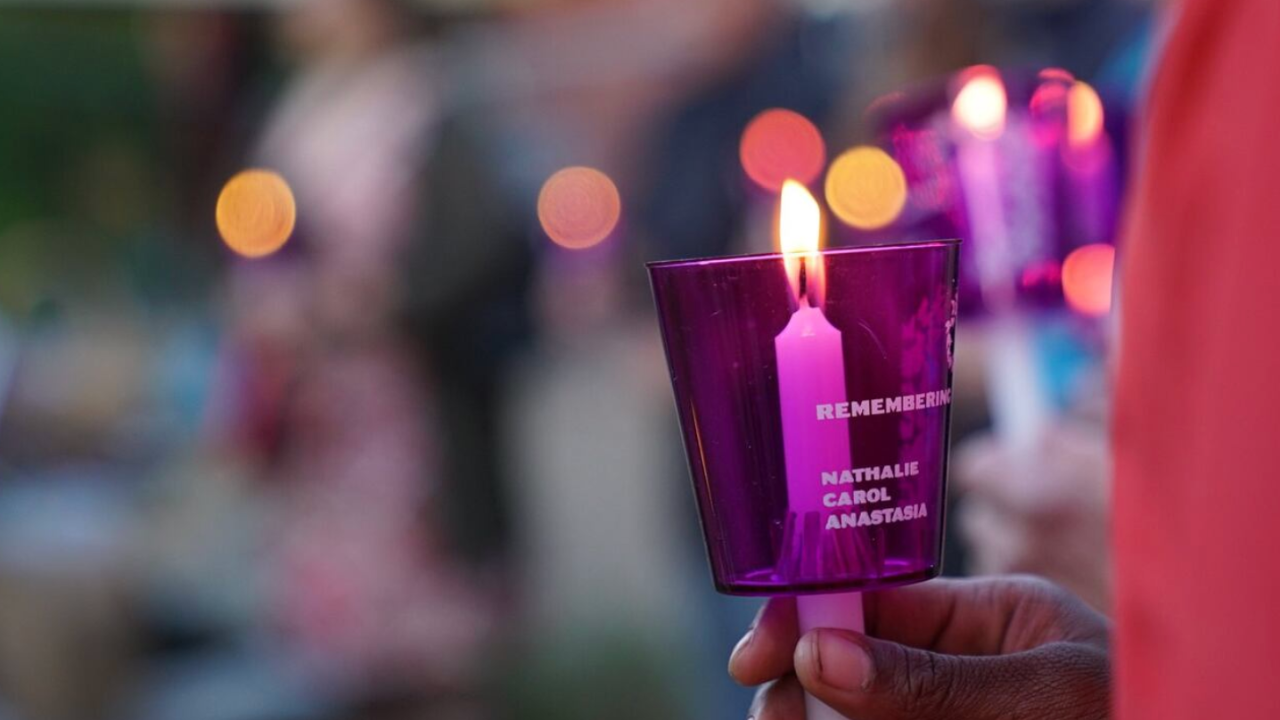
For the last eleven years, my mind and heart travel back to September 22nd of 2015. It was a typical day until the news travelled quickly that something sinister was unravelling in our county. Growing up in a small town (pop. 1000) in rural Ontario, Canada, we were generally protected from big city crime but that was about to change. By day’s end, we learned that three vibrant, local women, Anastasia Kuzyk, Nathalie Warmerdam and Carol Culleton, were the victims of a femicide committed by a deranged and violent man whom they all knew. Our small communities were left in profound shock after what is now called the worst case of domestic violence in Canadian history.
The next day, I received a call asking me to lead a community candlelight vigil in Wilno, ON where one of the murders had occurred. It was planned for 48 hours later and would be open to anyone impacted by this horrific act of violence.
Creating the Ceremony
I immediately got to work and although the weight of responsibility felt immense, it was tempered by the knowledge that this was an opportunity to address the collective shock and grief of my beloved community with carefully chosen words and rituals. Knowing that people were outraged and feeling helpless, I also wanted to encourage everyone to take this time to pause and allow their sorrow to be present. My intention was to create a space for compassion for these women, for their families and for one another.
Knowing many people from the close-knit communities where these women resided, I was aware that there would be a lot of folks wanting to take part. My first challenge was expressing the need for people to be involved while balancing this with the necessary structure of ceremony to ensure everyone present got what they needed. There is a fine line between a ceremonial vigil and having it become an open mic or worse, have the feeling of a variety show.
The Evening Vigil
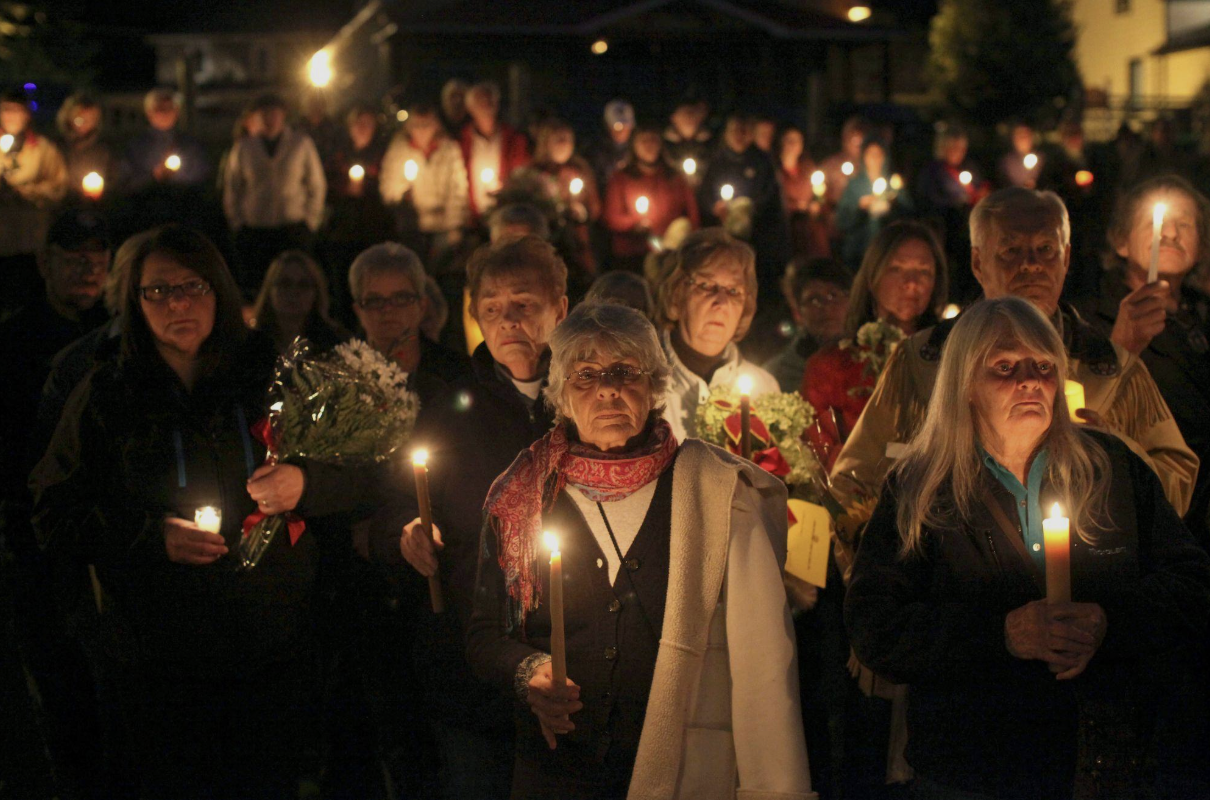
As I arrived in the village of Wilno, dusk had set in. Although I had anticipated a large crowd, I was not expecting the hundreds of people who were already gathered. The presence of every local and national media outlet added to the weight of the task before me.
As I began, I noticed that the crowd was standing far apart and faraway from where I stood. I invited everyone to gather closely as we were going to need one another’s support this evening. In a moment, a wave of 500+ people moved towards me. With their elbows touching and our gaze fixed on each other, a palpable shift was felt in the ceremony space.
My opening words acknowledged the collective grief and shock that we were experiencing as well as the intention for this candlelight vigil. I named the three women and offered some words of validation in how this horrific tragedy impacted everyone. I also felt it was important that we held the family of the accused in our thoughts, understanding that they, too, suffered as they came to terms with what had happened.
Music was an important part of this ceremony and so after my opening words, a song was sung before three people came forward to speak about the lives and qualities of each woman. Darkness had fallen during the reflective words, people were invited to light their candles from one another’s flames. Before long, the darkness was flooded with hundreds of flickering flames. Following these touching words, three bell chimes marked the beginning of a moment of silence. We broke the silence with an acapella rendition of the song Warrior by The Wyrd Sisters. It was haunting and powerful and a perfect choice for that moment.
Finally, we laid flowers in remembrance and as a symbol of hope that we who were left behind would work together to find solutions so that these deaths were not in vain. As this took place, a local choir sang Leonard Cohen’s Halleluia. This was the time in the ceremony where grief was expressed in audible sobbing while people hugged and comforted one another.
My closing words were very simple and included an excerpt from the Prayer of Faith as I felt it was important to add some spirituality to the ceremony knowing that there were many faiths being represented in the crowd. We then parted ways while a song called, “Stand Tall” was sung by a local woman.
What I Learned
What I hadn’t anticipated was the plethora of folks who wanted to participate. Upon arriving at the ceremony site that evening, I was bombarded with people who had ideas for the ceremony (i.e. songs, a balloon release, drumming, chanting). This became tricky to navigate and if I had to do it again, I would have assigned someone to deal with these last-minute requests. One persistent attendee did get up and sing after the announcements and before my closing words ignoring my request to follow the script. Sadly, his song was a joyful, upbeat song which completely clashed with the tone of the gathering. My closing words and the closing song did bring everyone back to a place of somber calm however, this did trouble me for a long time after.
In the 13 years since graduating as a Life-Cycle Celebrant™, no ceremony, out of the hundreds I have created, has come close to the magnitude and weight of this vigil. I am deeply grateful that I was given this opportunity to create this one-of-a-kind ceremony and to hold space for the hundreds of people who attended. It instilled in me the value, purpose and importance of marking these horrific events with ceremony.
by: Julie Keon, RSSW
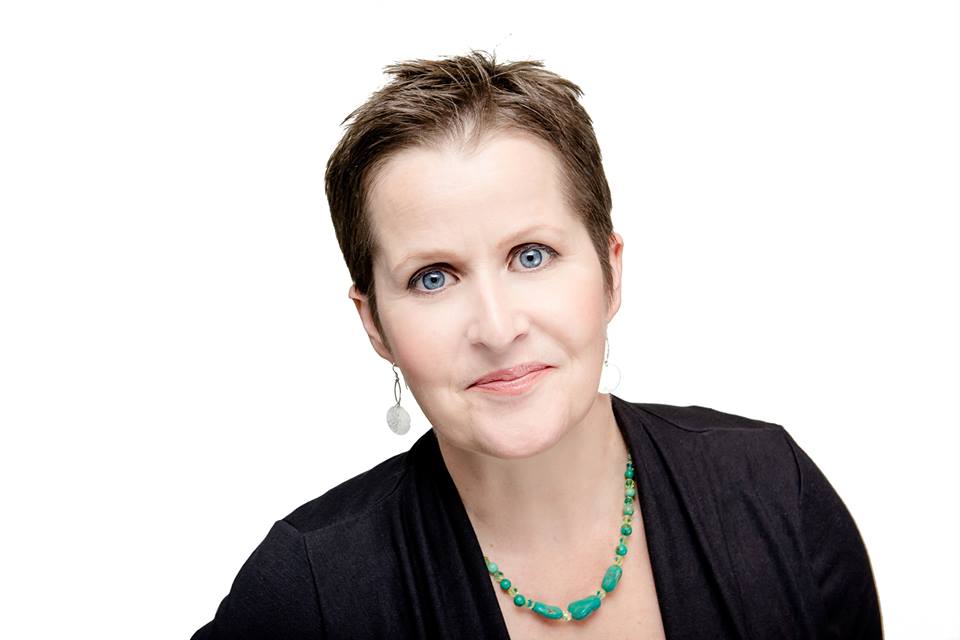
Julie has been supporting people for over 30 years through life’s big and small moments including birth, postpartum, marriage, illness, caregiving, dying, death and grief in the capacity of birth/ postpartum doula, marriage officiant, death doula, Psychotherapist and Life-Cycle Celebrant™. She shares this one blessed life with her husband, Tim, and their daughter, Meredith, in the Ottawa Valley, Canada and captured the unique adventure of mothering a child with disabilities and medical fragility in her book, What I Would Tell You. Learn more about Julie at www.readyornoteol.com and at www.whatiwouldtellyou.com
